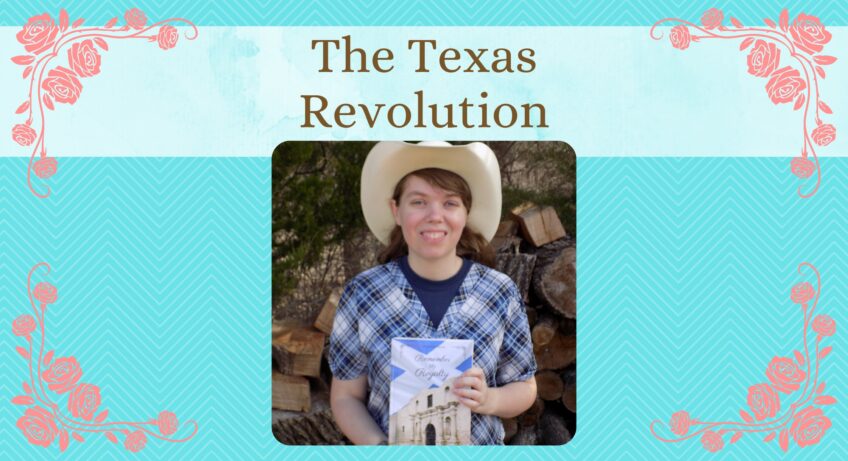
I already took you on a tour of the Alamo earlier in the launch tour, and today, to celebrate Texas Independence Day I’m going to take you around to some of the other sites of the Texas Revolution. First up, Gonzales: where it all began.
Gonzales:
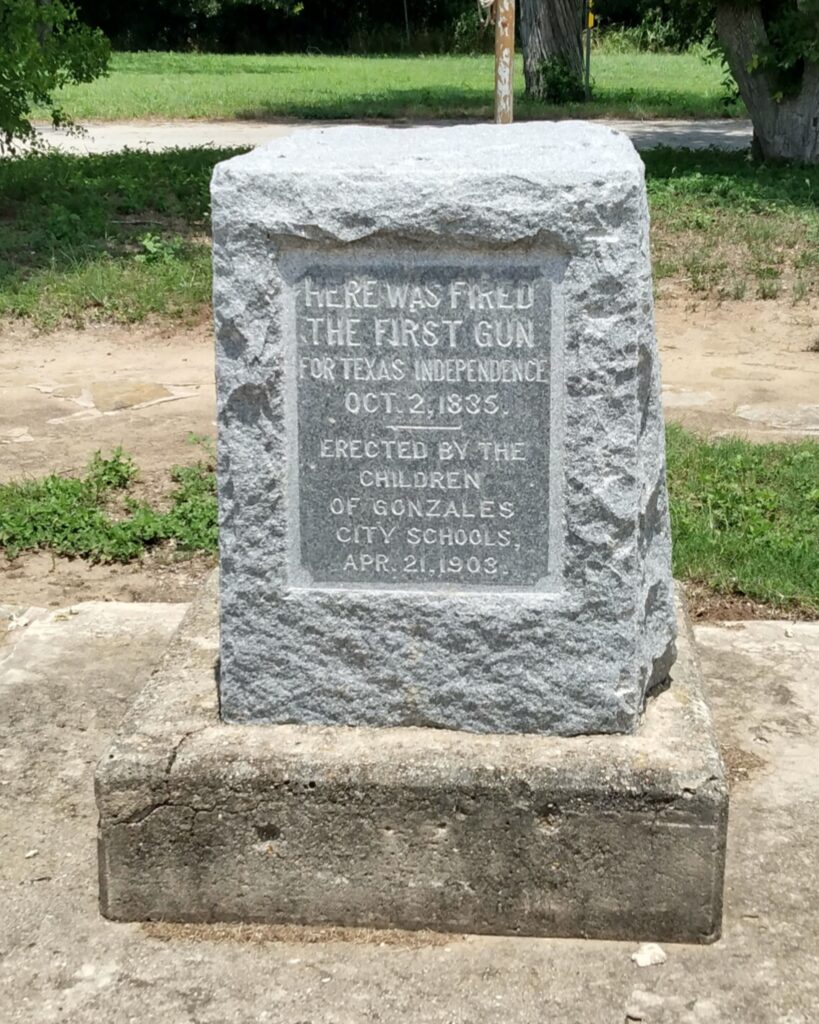
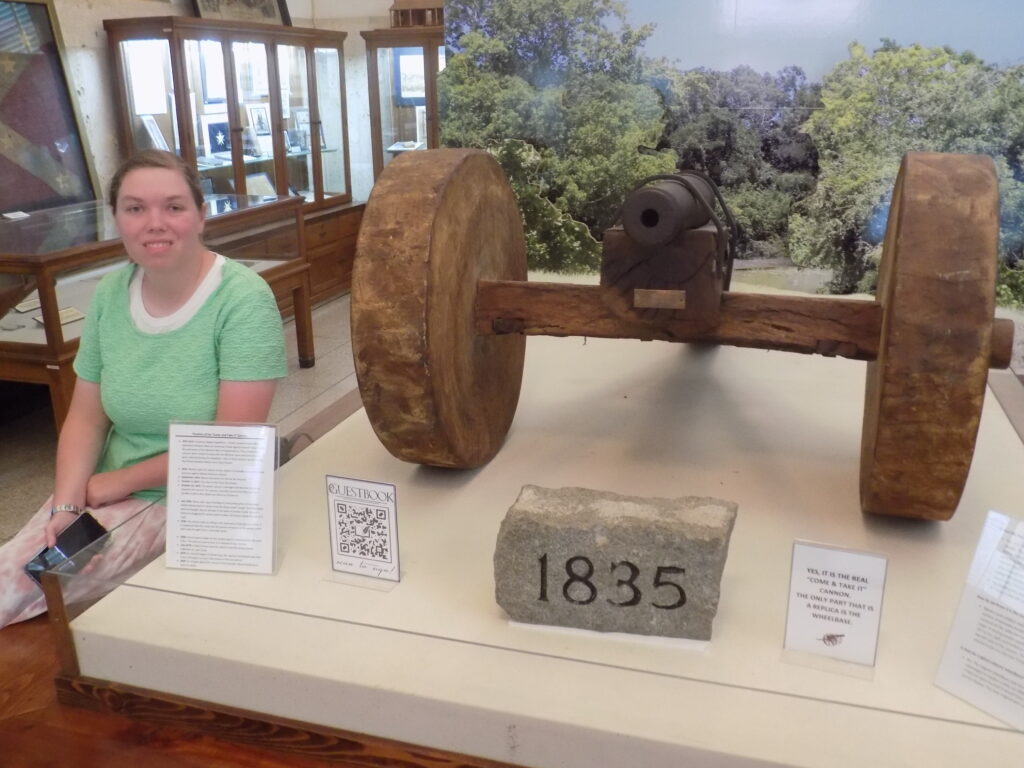
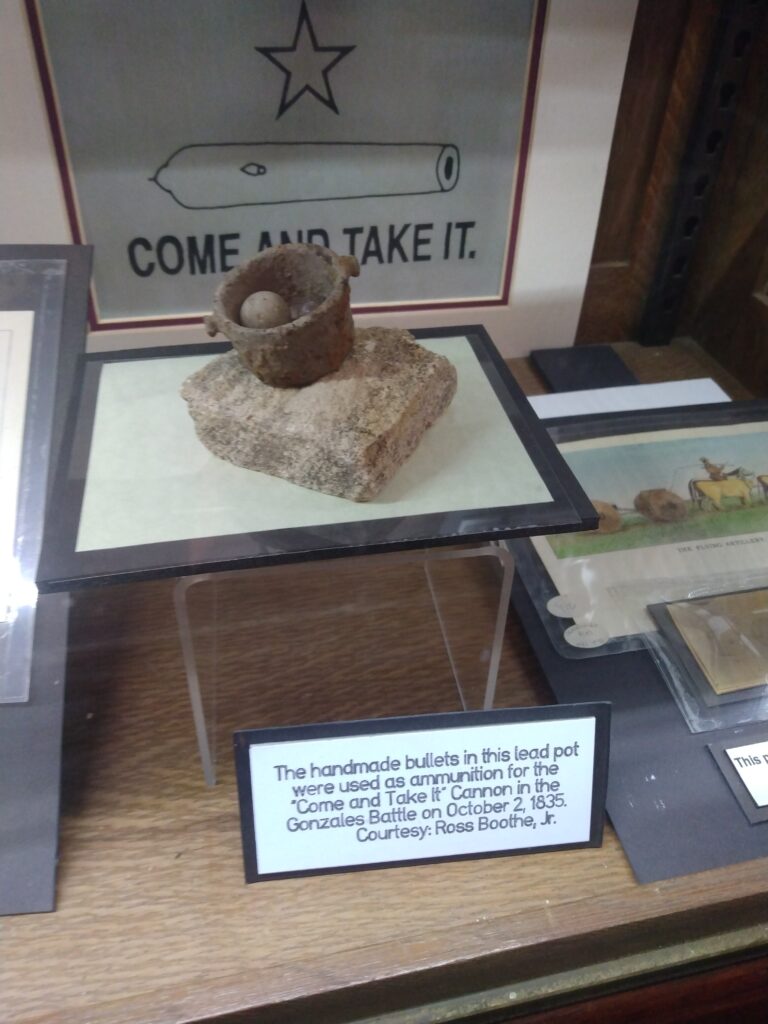
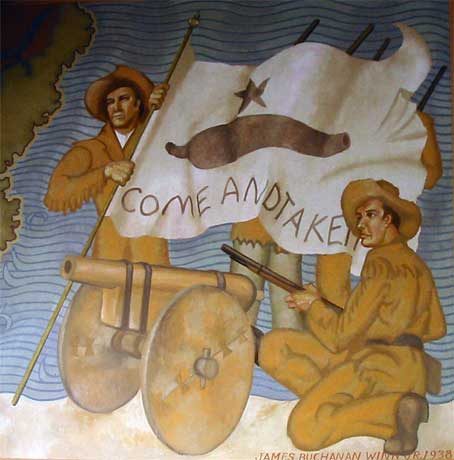
Gonzales was the site of the first battle of the revolution, though skirmish would be a more fitting term for what happened. Here at the Lexington of Texas, the first shots of the war were fired and the Mexicans retreated, making it a Texian victory.
San Antonio de Bexar:
When we think of San Antonio and the revolution, we usually think of the Alamo, don’t we? But there was more than just the siege of the Alamo that happened in San Antonio.
La Villita
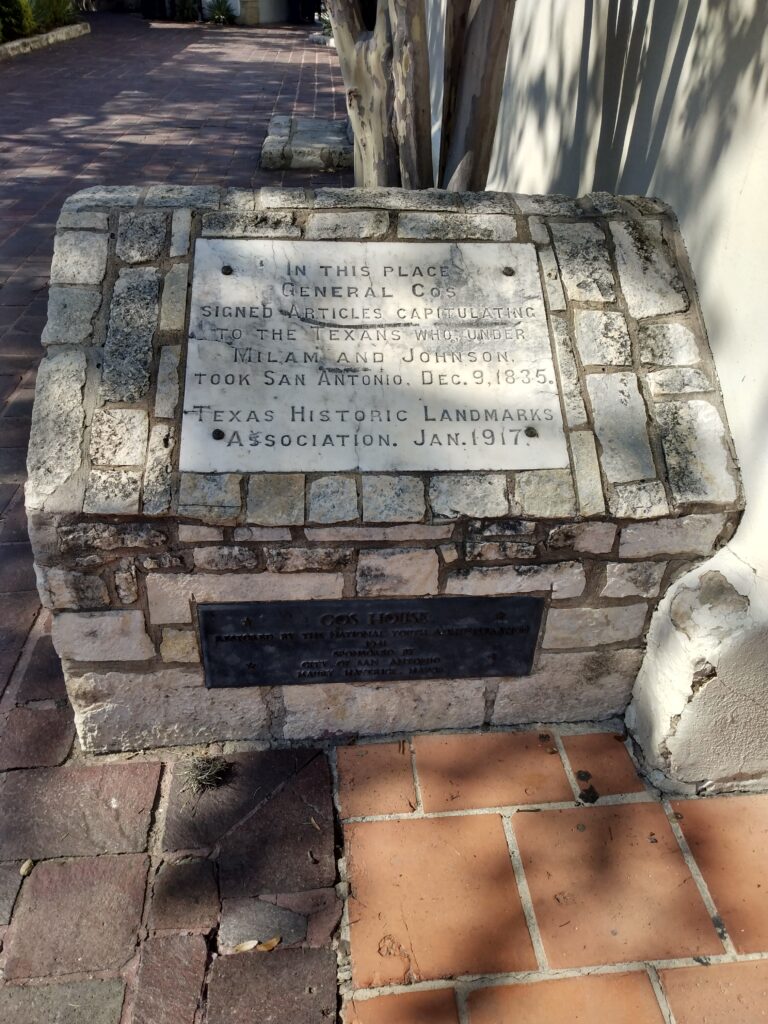
Today, La Villita is a cute little district of San Antonio filled with arts and craft shops. During the revolution, it was a colonia filled with wooden huts. There was also at least one adobe house here as well, for it was here that General Cos signed the surrender after the Siege of Bexar.
During the Siege of the Alamo, the huts in La Villita served as excellent hiding places for the Mexican soldiers, so more than once, the Texians emerged from the safety of the fort to burn these huts. They also tore some of them down and used the wood for their fires.
Riverwalk
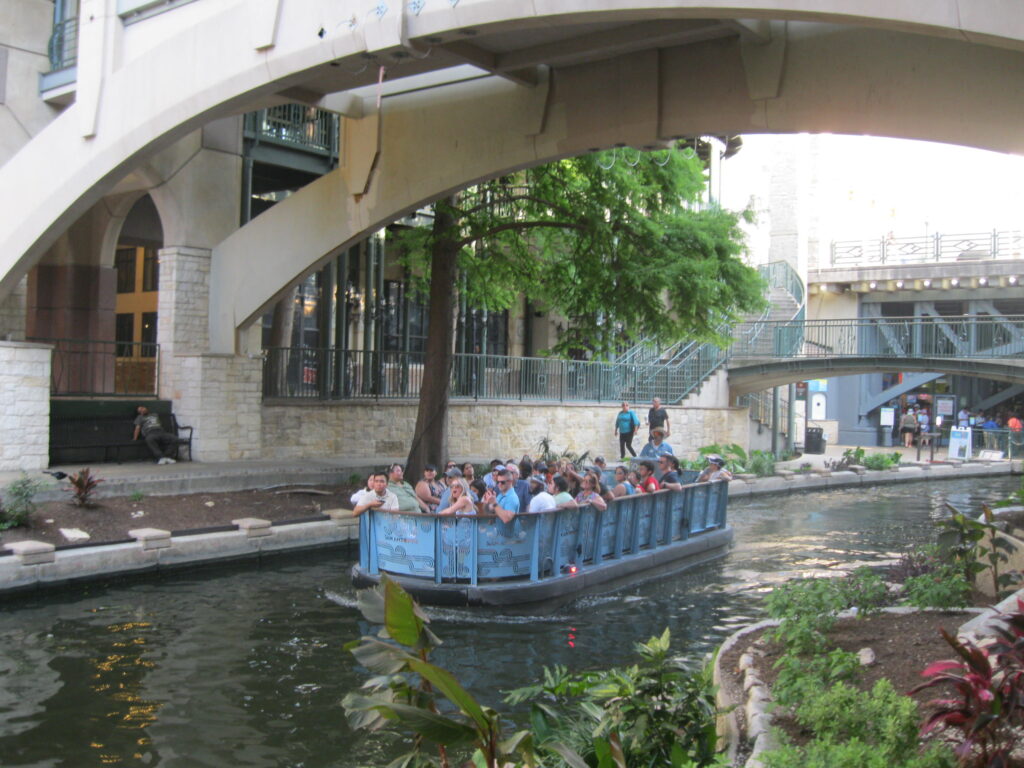
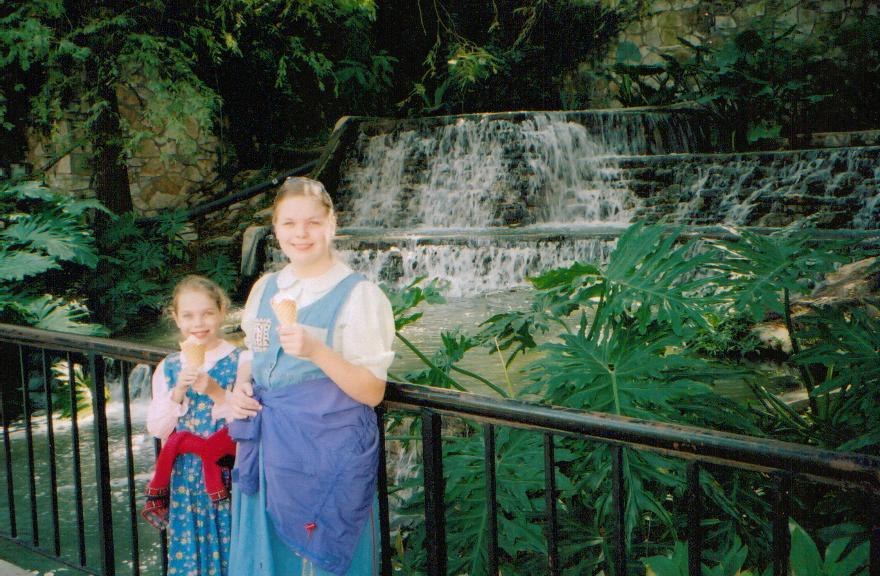
Most of us probably think of the Riverwalk as a more recent addition to San Antonio, and while part of the waterway is man-made and more recent than the revolution, the San Antonio River did play a part in the war. Most of the water of the Alamo garrison came from irrigation ditches filled by the river, that is until the Mexicans stopped up the ditches and water became scarce for the remainder of the siege.
San Fernando Cathedral
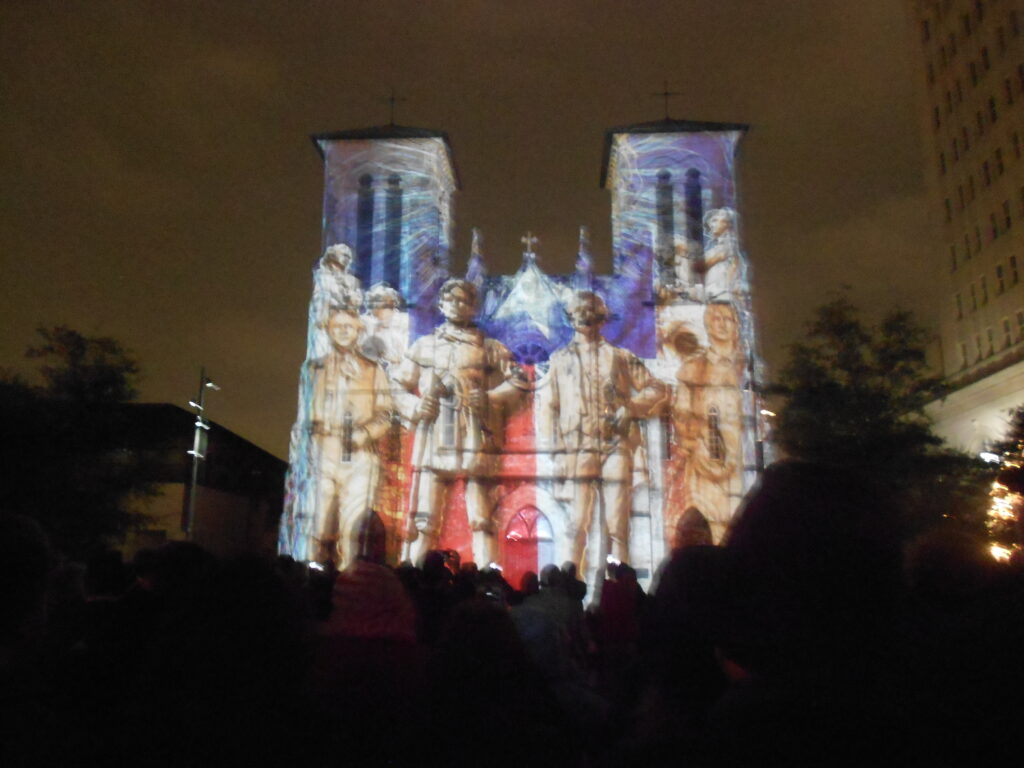
The San Fernando Cathedral, or the San Fernando Church as it was called at the time, was quite prominent in the battles around San Antonio. During the siege of Bexar, a battery was stationed on the roof. It was the lookout used by the Texians when the Mexicans arrived, and during the siege of the Alamo, the red flag of no quarter flew from its tower. Today, a nightly laser show about San Antonio’s history is projected on the front of the church.
Alamo
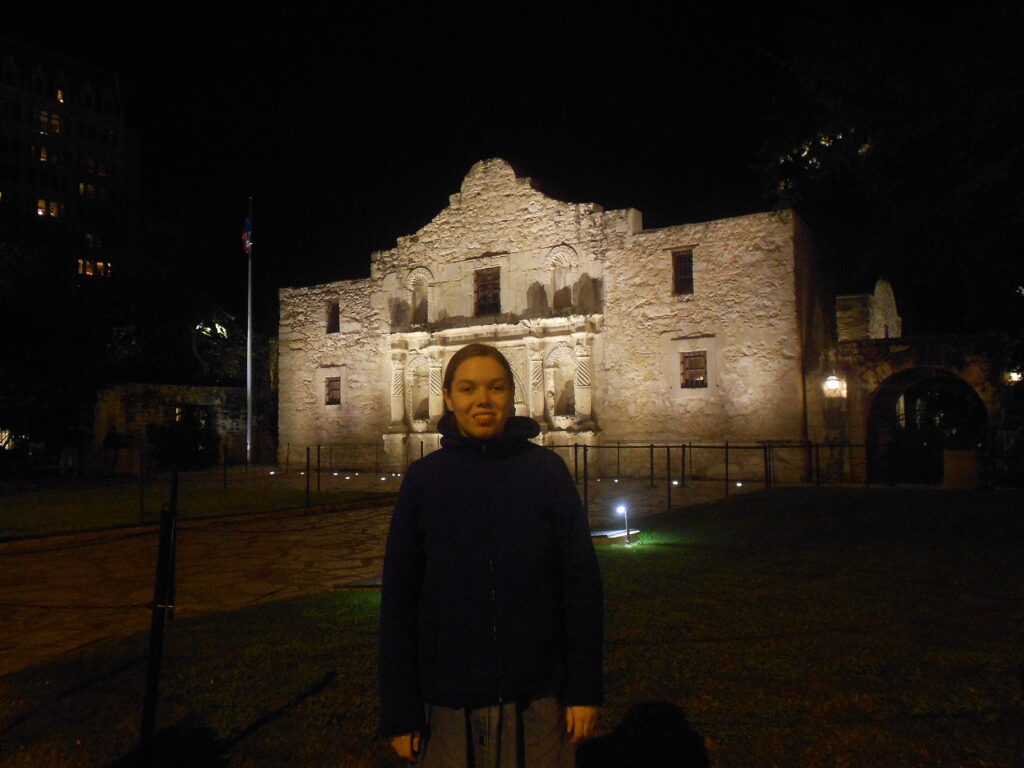
And since you can never share too many pictures of the Alamo, here is a picture of me there when I was seventeen. The Alamo is so lovely at night.
Washington-on-the-Brazos
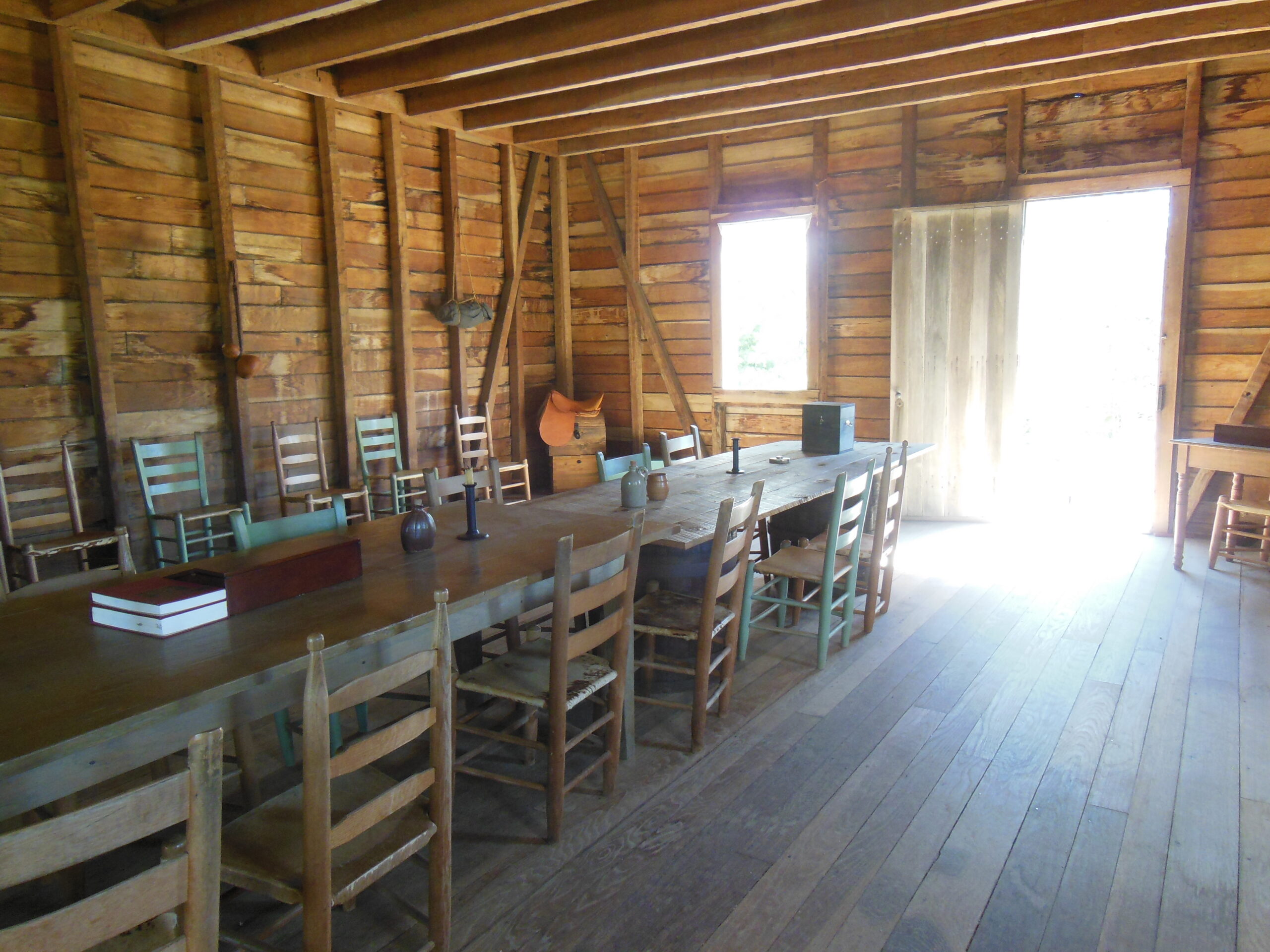
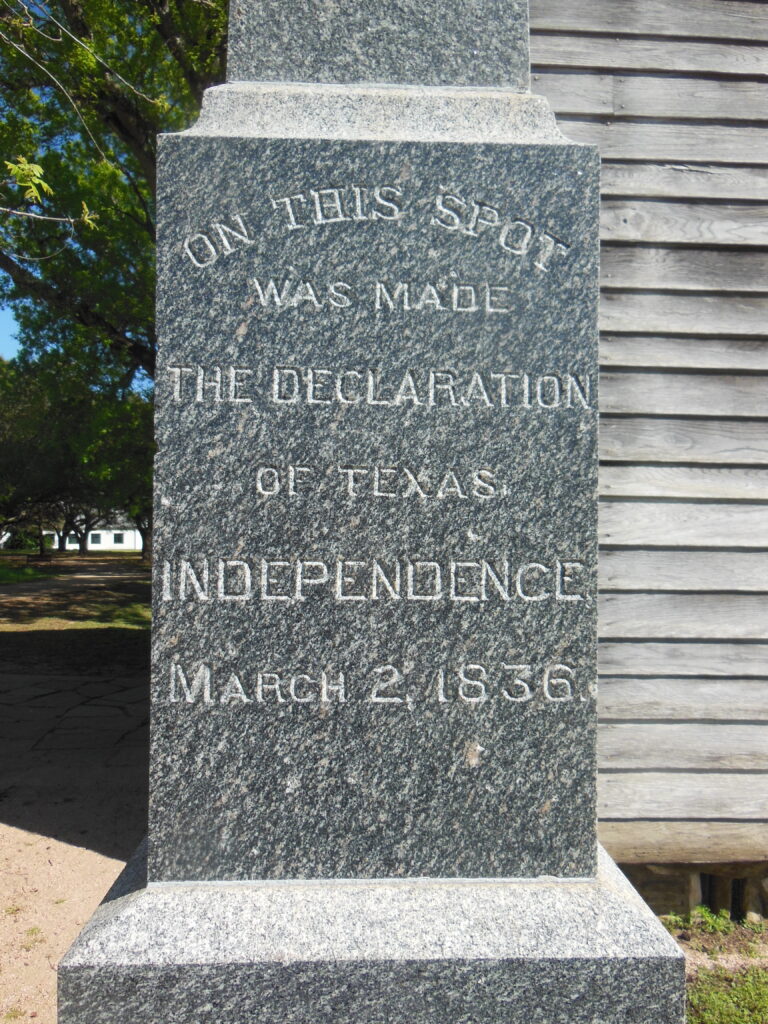
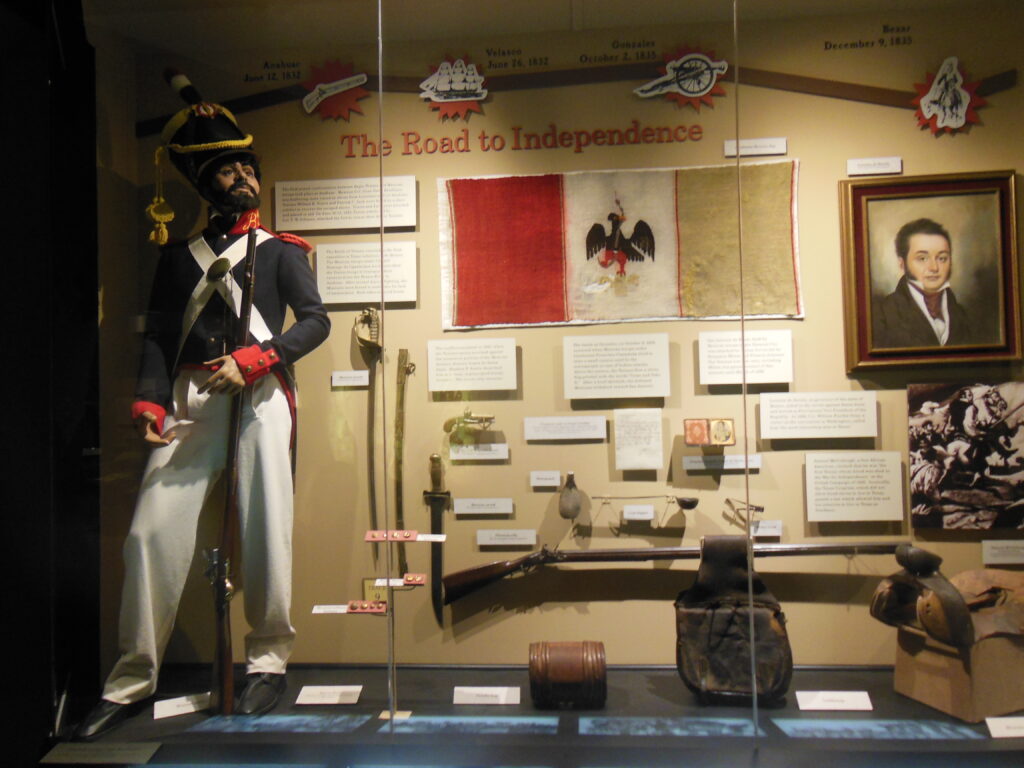
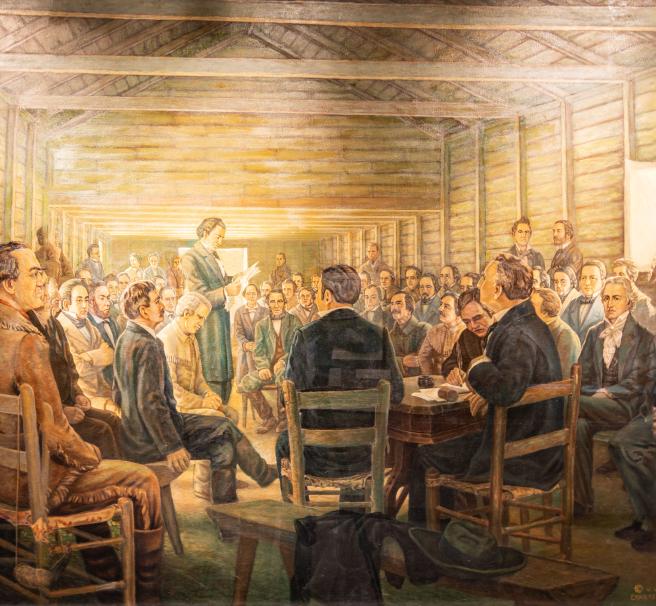
I had the privilege of visiting the first capital of Texas and the location of the signing of the Declaration of Independence on my twenty-second birthday. While the original Independence Hall is no longer in existence, due to being burned during the Runaway Scrape, it was neat getting to tour the replica and the museum where so many artifacts were on display.
Goliad
There’s a lot to see in the area around Goliad. In my opinion, this is one of the saddest sites of the revolution, perhaps even sadder than the Alamo.
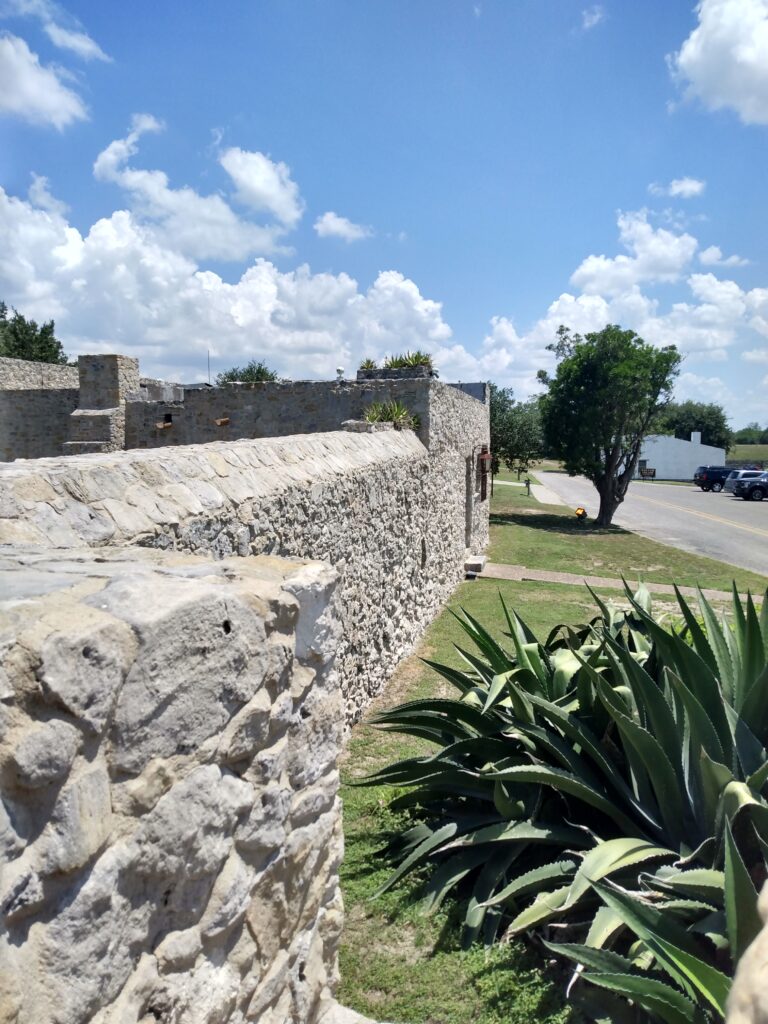
Presidio La Bahia
During the revolution, Colonel Fannin renamed it Fort Defiance, but it’s still mainly remembered as Presidio (Fort) La Bahia.
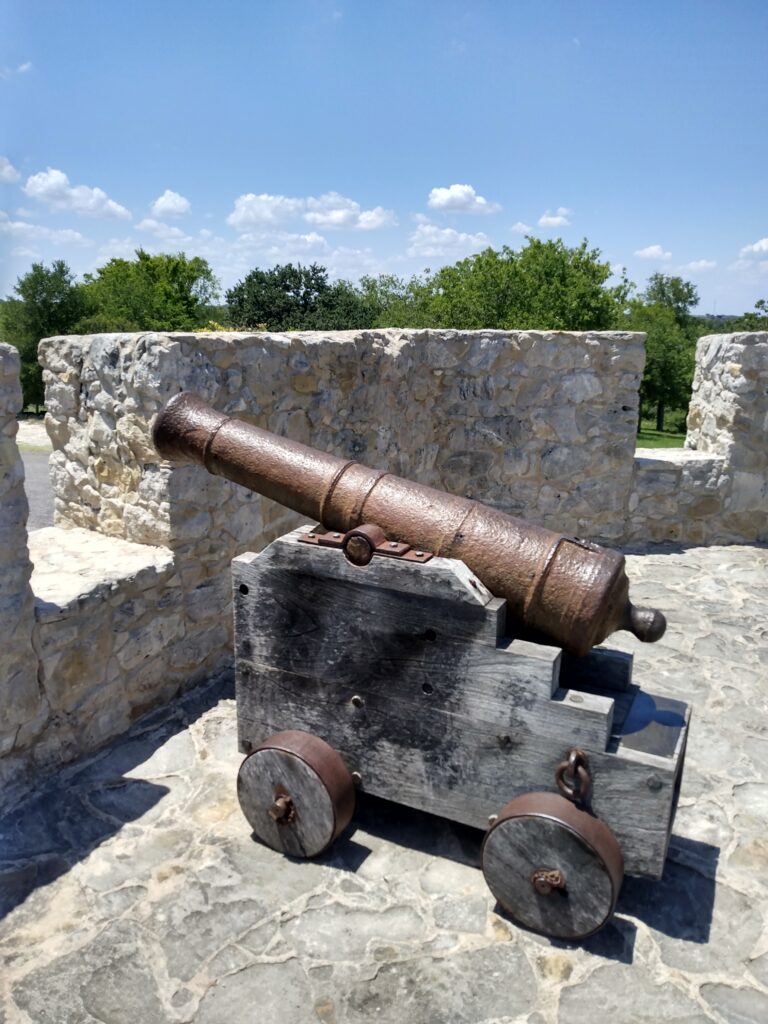
Battle of Coleto
After Fannin fell back from La Bahia following the fall of the Alamo and the beginning of the general retreat, he and his men were overtaken by Mexican general Jose Urrea. A battle followed and Fannin finally surrendered when Urrea promised that he and his men would be treated fairly. But Santa Anna countermanded the terms of surrender, and after a week of imprisonment in La Bahia, Fannin and most of his men were executed. A few were spared, and a few managed to escape, carrying the tales of the latest atrocities to the Texian army.
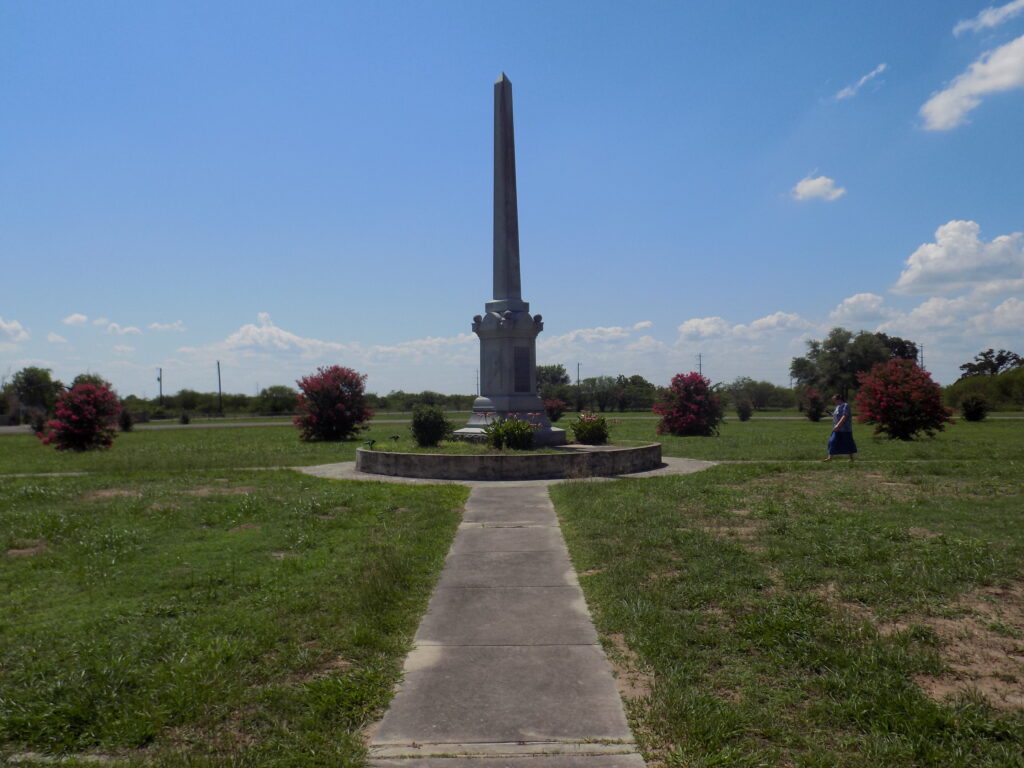
Fannin Memorial
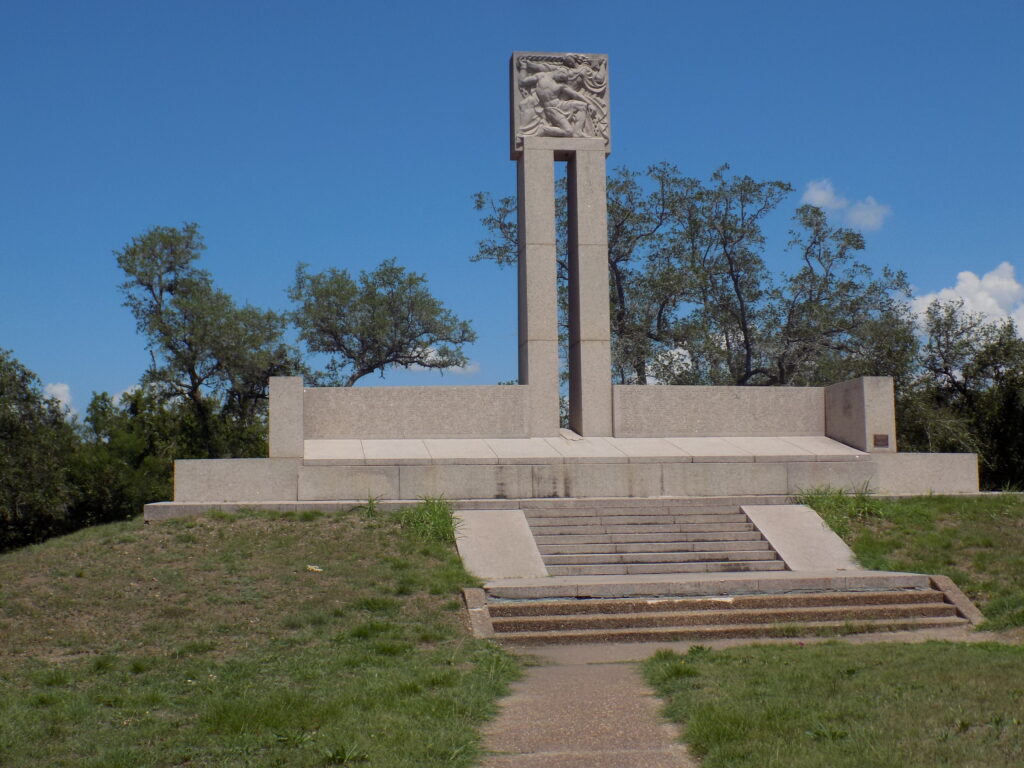
This monument marks the place where Fannin and his men were buried after the massacre.
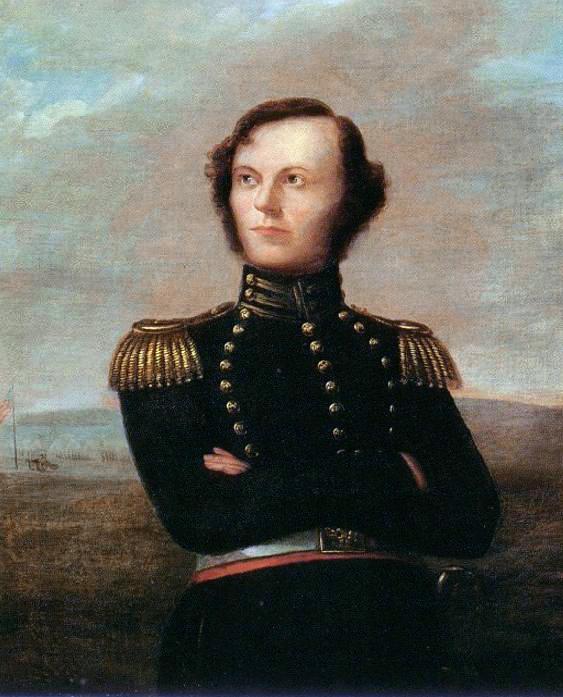
San Jacinto
I’m afraid I don’t have many pictures from San Jacinto, due to the fact that our trip predated the entrance of digital cameras into our family. My sister and I each had a disposable film camera, and since we wanted to be sure we had plenty of film for the whole trip, we only took a couple pictures here.
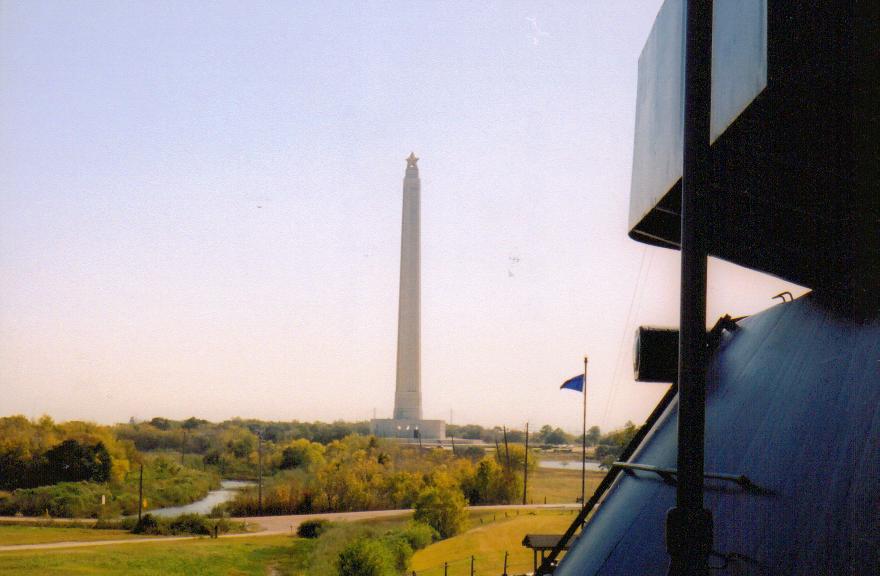
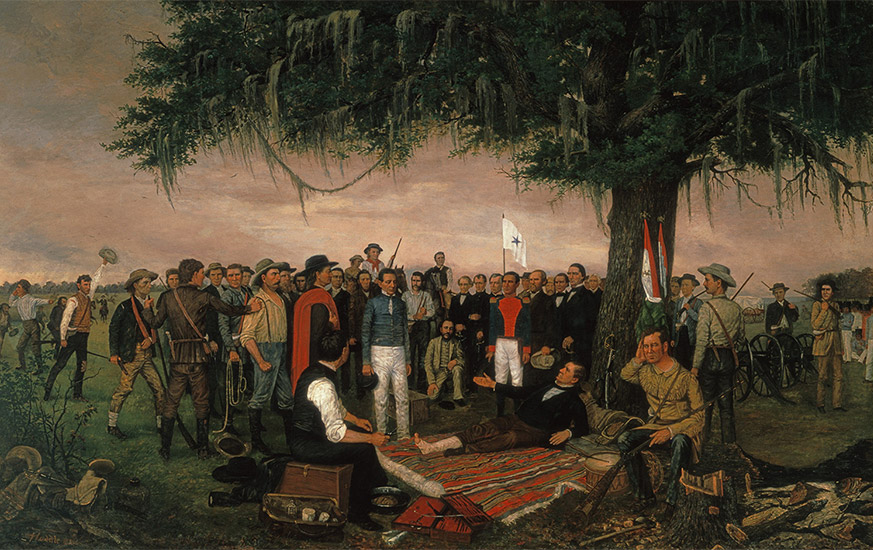
San Jacinto was the site of the final battle of the Revolution. Here, General Santa Anna suffered an overwhelming defeat and was himself made a prisoner of war.
Fun fact: the San Jacinto monument is taller than the Washington Monument.
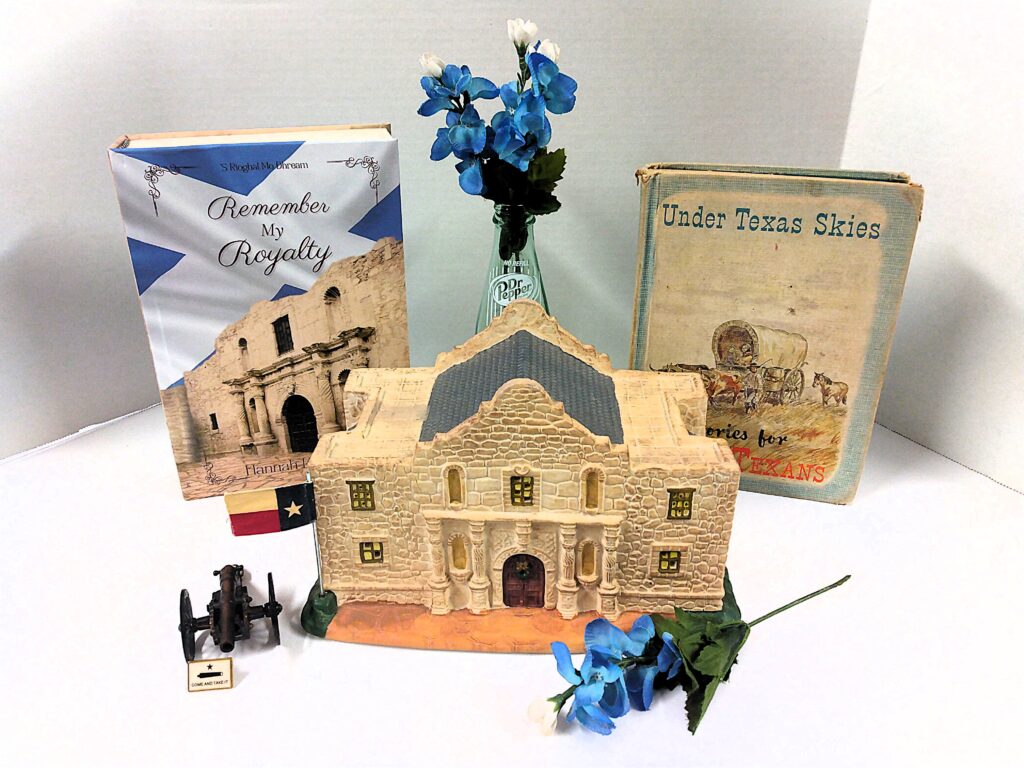
I hope you enjoyed getting to tour the most significant sites of the revolution. If you want to learn more about what happened at these places, check out my book, Remember My Royalty!