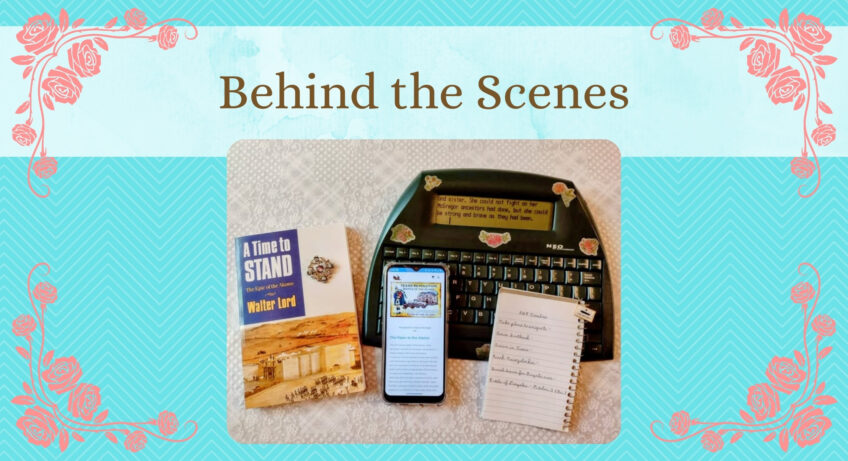
Welcome back for the next post in the launch of Remember My Royalty! Today I’m going to be giving you a behind the scenes look at the story.
First off, where did the idea come from? It all started when I learned about one of the members of the Alamo garrison who was a Scottish immigrant. As it turns out, I had a connection to his clan through my Scottish ancestry. So, when I learned about all of this, I knew that I had to write a story about the Scottish immigrants in Texas. The book would combine two of my absolute favorite things: the Texas Revolution and my Scottish roots.
So that is how the original idea came to me. It took awhile to work out all the details and make the story work, but the Lord gave me a good solution to a problem that had completely brought the story to a standstill and caused me to consider permanently shelving it.
Contradictions and Non-existent Words
Remember My Royalty took a lot of research, far more than any of my books to date, and while some parts were fun and easy to research, others took a lot of work, a lot of digging, and a lot of comparing multiple sources. As much as possible, I used eyewitness accounts. But then I sometimes ran into the problem of conflicting eyewitness accounts.
The most contradictory ones were those pertaining to the capture of Santa Anna. Almost everyone seemed to want to take extra credit for themselves. Two of the men who helped to capture him both claimed that they were the only ones in the party who spoke Spanish, so they were the ones who talked directly with him.
Another hard aspect of writing was events surrounding the siege of the Alamo. Since the men were all killed, with two, possibly three exceptions, it is hard to know exactly what happened. We do have the accounts of the civilians who survived and of the couriers, but none of the latter are complete since the last one left the night before the final battle. And he, the one who would have been able to best supply information about what happened, never gave a public statement about the Alamo. (No, I’m not going to give you his name since he’s a prominent character in the book.)
Have you ever played Taboo, a game where you have to describe a word without using the word? I did that a couple times while writing Remember My Royalty. The Mexican soldiers wore shakos, the tall military hats with fluffy pom-poms on top. The only problem is the word pom-pom did not yet exist in 1836. So I had to figure out how to describe it without using the name that it would be known as today.
Another word that I was unable to use was roadrunner since they were not called that at the time. Instead they had various other names such as snake eater and ground cuckoo. In his travels, Hamish sees a roadrunner and finds it interesting. So I did my best to describe the bird without using the name it is known by today. Readers who are familiar with this bird will likely be able to figure out what it is, but those not familiar with them outside of Looney Tunes may just be wondering what a ground cuckoo is.
All The Same Names
Another challenging part was how many of the historical figures had the same name. Stop and think about it a moment: amongst the leaders, we have James Bowie, James Fannin, and James Bonham, all prominent figures and all with the same first name.
By far, the two most common names of the Texas Revolution were James and John. And since I used so many real people in the story, I didn’t have much say in their names. I ended up with 8 Jameses, 6 Johns/Juans, 3 Georges, and 3 Davids. To avoid confusion, and because it was common at that time, most of them are called by their last name. For the ones who go by their first names, I used variants such as Johnny, Jim, and Jamie.
Enjoying the Process
Writing the book wasn’t all hard. There were a lot of fun parts to it as well. Most of the time, I loved doing all that research, and often I had to pull myself away from the research because it was distracting me from actually writing the story.
Another favorite part was choosing which songs to include in the story and planning the epigraphs at the beginning of the chapter. I loved browsing through all the songs and poetry, choosing which ones would best fit in the story and researching them to be sure they were actually in existence at that time.
The epigraphs were easier in that regard since they did not need to have been written and widely-known by 1835. They just needed to be in the public domain.
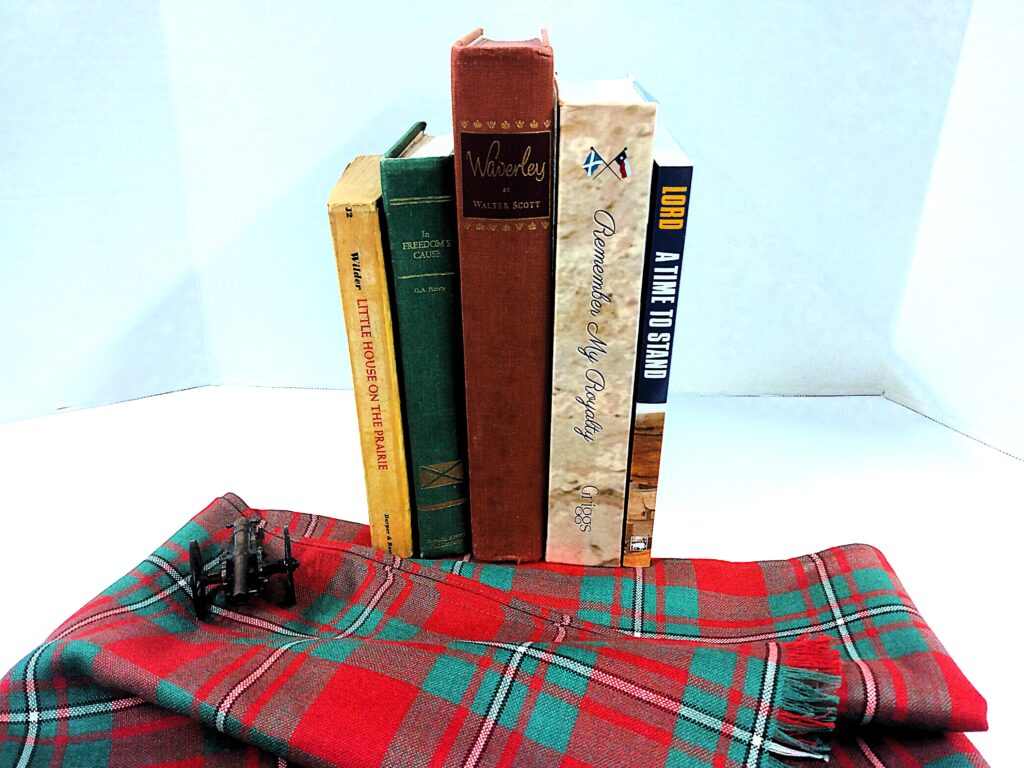
I hope you’ve enjoyed this little look at some of the behind the scenes of writing Remember My Royalty. Of course there’s a lot more that I could say about it. So maybe sometime after the launch I’ll write a part 2 of this post.
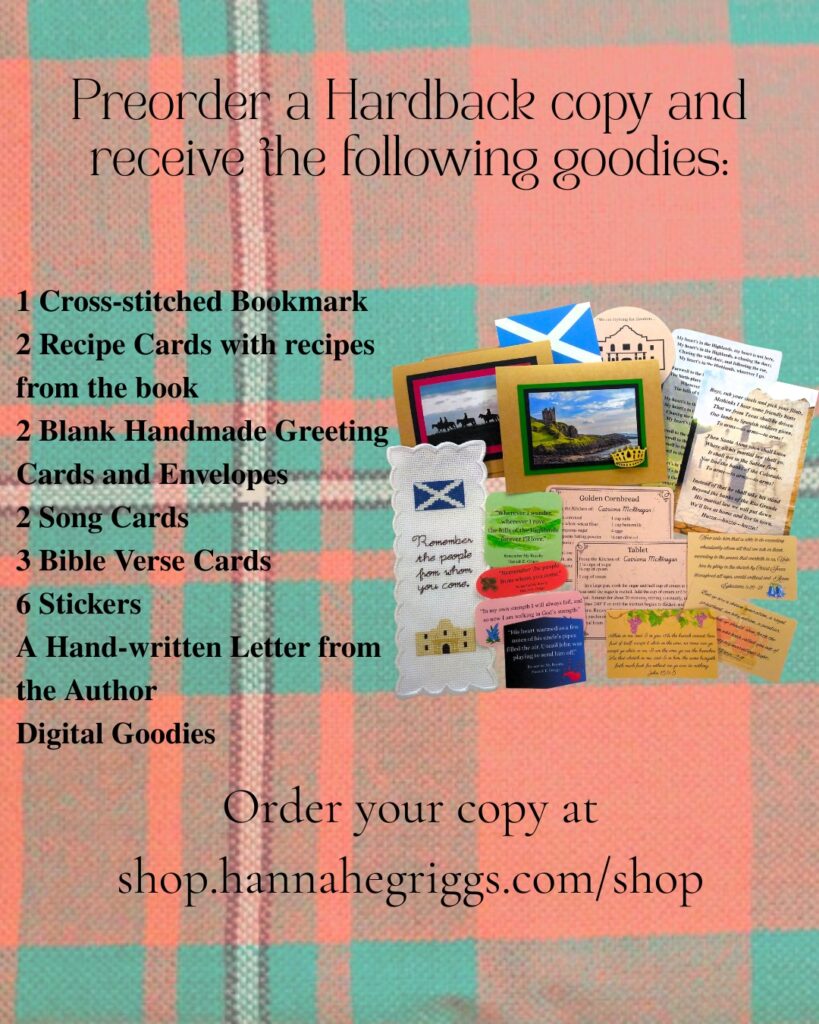
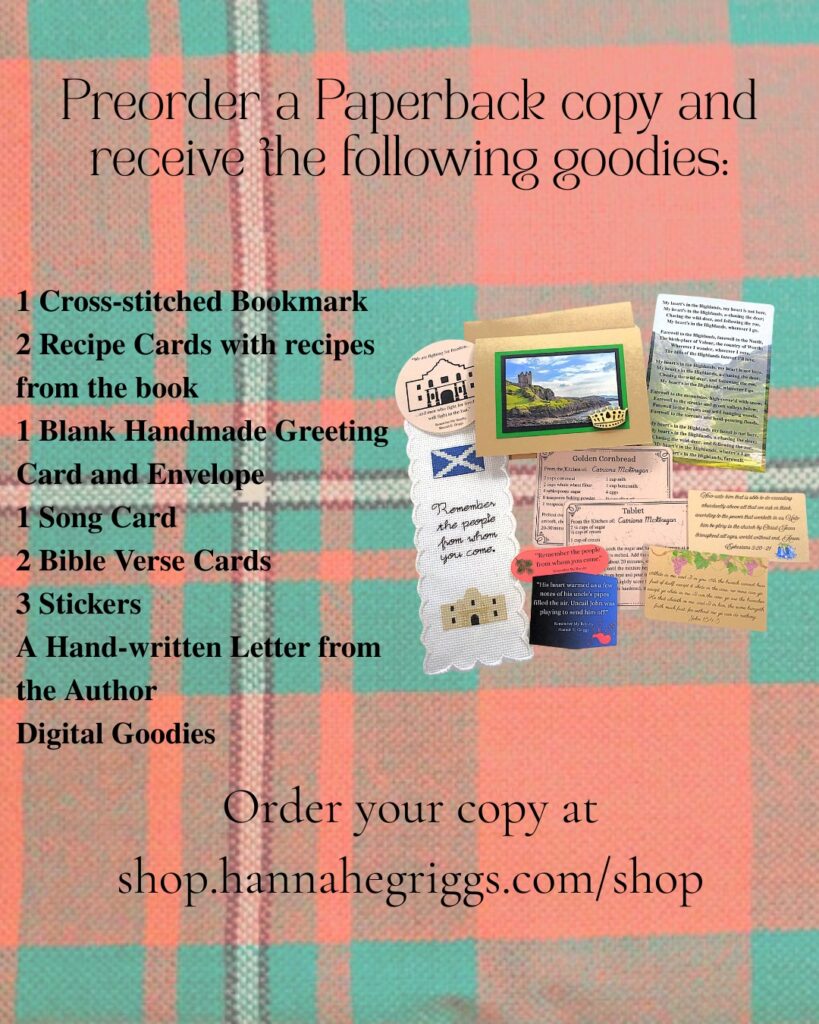
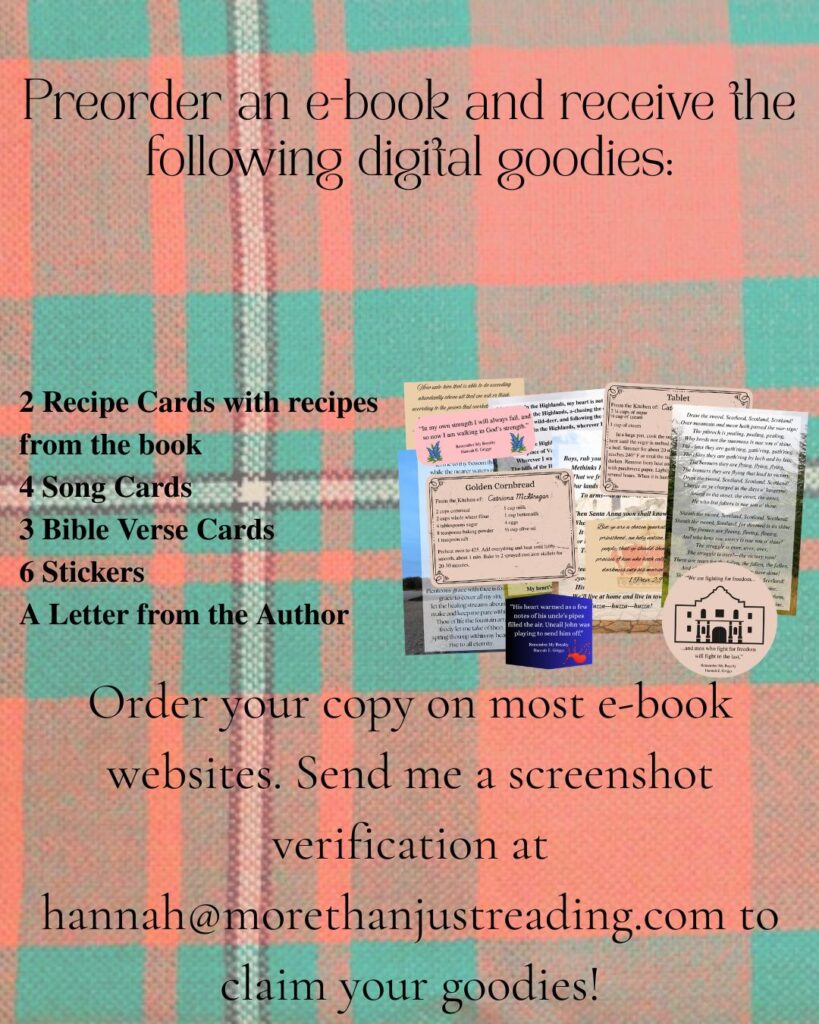
In the meantime, be sure to check out the book. It’s on pre-order, and the discount price is still good. So if you want a copy, be sure to snag yours while that discount lasts!




Thank you so much for sharing your writing process. It is so interesting to learn how others write!
I’m glad you enjoyed learning more about it!
Sounds like you put a lot of effort into all the research! And wow! All those similiar names would sure make it interesting to keep things straight!! 😊 It wad also fun reading about about the words that are so common today, but not in use back then!
Glad you enjoyed the post, Lauren! And yes, all the names was definitely interesting at times!
This was so interesting!! I would love a part two.
You did a great job with the names, because I never had anyone confused. And all the songs and epigraphs fit so well!!
I’ll keep a part two in mind! And I’m glad so many duplicate names wasn’t confusing!